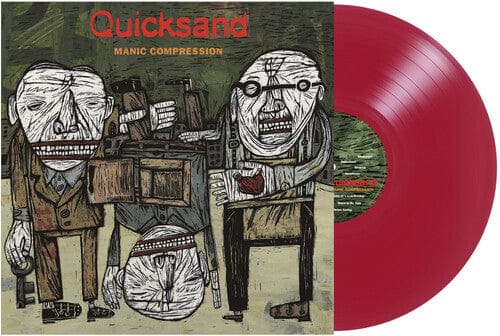
Quicksand - Manic Compression (Deluxe Edition, Colored Vinyl, Red, With Book, Marble)
Formed in New York City in 1990, Quicksand emerged from the hardcore scene with members Walter Schreifels (Gorilla Biscuits), Tom Capone (Beyond), Sergio Vega (Collapse), and Alan Cage (Beyond, Burn). Blending the intensity of hardcore punk with melodic, angular songwriting, they helped pioneer what became known as post-hardcore.
-
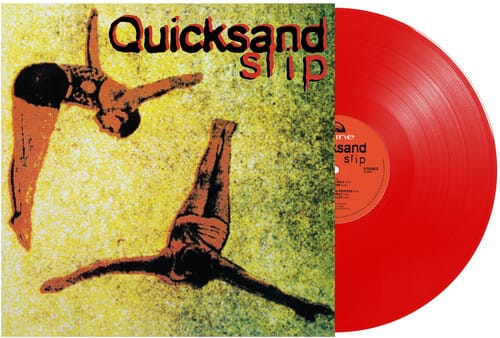
Their debut album, Slip (1993), established them as a critical force. In 1995, they released Manic Compression, a tighter, more experimental follow-up that balanced aggression with atmosphere. Songs like “Thorn in My Side” and “Supergenius” showcased sharper production and greater dynamics, cementing their reputation as innovators who bridged hardcore, alternative rock, and metal. Despite Manic Compression’s acclaim, the band split later that year amid creative and personal tension. Quicksand reunited spora
-
Artist History (i.e. specific narratives, international support, accolades, etc.): Formed in New York City in 1990, Quicksand emerged from the hardcore scene with members Walter Schreifels (Gorilla Biscuits), Tom Capone (Beyond), Sergio Vega (Collapse), and Alan Cage (Beyond, Burn). Blending the intensity of hardcore punk with melodic, angular songwriting, they helped pioneer what became known as post-hardcore.
Product Information
Product Information
Shipping & Returns
Shipping & Returns

Quicksand - Manic Compression (Deluxe Edition, Colored Vinyl, Red, With Book, Marble)
Quicksand - Manic Compression (Deluxe Edition, Colored Vinyl, Red, With Book, Marble)
Formed in New York City in 1990, Quicksand emerged from the hardcore scene with members Walter Schreifels (Gorilla Biscuits), Tom Capone (Beyond), Sergio Vega (Collapse), and Alan Cage (Beyond, Burn). Blending the intensity of hardcore punk with melodic, angular songwriting, they helped pioneer what became known as post-hardcore.
-
Their debut album, Slip (1993), established them as a critical force. In 1995, they released Manic Compression, a tighter, more experimental follow-up that balanced aggression with atmosphere. Songs like “Thorn in My Side” and “Supergenius” showcased sharper production and greater dynamics, cementing their reputation as innovators who bridged hardcore, alternative rock, and metal. Despite Manic Compression’s acclaim, the band split later that year amid creative and personal tension. Quicksand reunited spora
-
Artist History (i.e. specific narratives, international support, accolades, etc.): Formed in New York City in 1990, Quicksand emerged from the hardcore scene with members Walter Schreifels (Gorilla Biscuits), Tom Capone (Beyond), Sergio Vega (Collapse), and Alan Cage (Beyond, Burn). Blending the intensity of hardcore punk with melodic, angular songwriting, they helped pioneer what became known as post-hardcore.
Product Information
Product Information
Shipping & Returns
Shipping & Returns
Description
Formed in New York City in 1990, Quicksand emerged from the hardcore scene with members Walter Schreifels (Gorilla Biscuits), Tom Capone (Beyond), Sergio Vega (Collapse), and Alan Cage (Beyond, Burn). Blending the intensity of hardcore punk with melodic, angular songwriting, they helped pioneer what became known as post-hardcore.
-
Their debut album, Slip (1993), established them as a critical force. In 1995, they released Manic Compression, a tighter, more experimental follow-up that balanced aggression with atmosphere. Songs like “Thorn in My Side” and “Supergenius” showcased sharper production and greater dynamics, cementing their reputation as innovators who bridged hardcore, alternative rock, and metal. Despite Manic Compression’s acclaim, the band split later that year amid creative and personal tension. Quicksand reunited spora
-
Artist History (i.e. specific narratives, international support, accolades, etc.): Formed in New York City in 1990, Quicksand emerged from the hardcore scene with members Walter Schreifels (Gorilla Biscuits), Tom Capone (Beyond), Sergio Vega (Collapse), and Alan Cage (Beyond, Burn). Blending the intensity of hardcore punk with melodic, angular songwriting, they helped pioneer what became known as post-hardcore.